
Quick Answer: Is Japan Good for First-Time Visitors?
Japan Travel Guide Overview
Japan is a dream destination for travelers who enjoy a mix of modern cities, ancient temples, efficient transport, seasonal beauty, food, shopping and cultural experiences. For first-time visitors, Japan can feel exciting but also overwhelming because there are so many cities, neighborhoods, train routes and food options to choose from.
The best way to plan your first Japan trip is to focus on the classic Golden Route: Tokyo, Kyoto and Osaka. This route gives you a strong introduction to Japan without making the itinerary too complicated. Tokyo shows Japan’s futuristic side through skyscrapers, neon streets, fashion districts, food alleys and shopping areas. Kyoto shows the traditional side through temples, shrines, gardens and old neighborhoods. Osaka adds street food, nightlife and a friendly city atmosphere.
Japan is also one of the easiest countries to travel around once you understand the basics. Trains are reliable, convenience stores are excellent, food is widely available, and major tourist areas are well organized. The main challenge is planning your time properly because Japan has endless attractions and it is easy to overload your itinerary.
Japan Travel at a Glance
Best Time to Visit Japan
The best time to visit Japan is usually spring or autumn. Spring is popular for cherry blossoms, comfortable weather and scenic parks. Autumn is loved for colorful leaves, pleasant temperatures and beautiful temple gardens. These are the most attractive seasons for first-time visitors because sightseeing is comfortable and outdoor attractions look beautiful.
Summer can be hot and humid, but it is still possible to travel if you plan indoor breaks and avoid overwalking in the afternoon. Winter is good for travelers who want snow, hot springs, winter illuminations and skiing, but it may not be the easiest season for a classic first-time route unless you enjoy cold weather.
If your priority is good weather and iconic scenery, choose spring or autumn. If your priority is lower crowds and potentially better prices, consider late winter or early summer, but avoid major holiday periods where possible.
How Many Days Are Enough for Japan?
For first-time visitors, 7 to 10 days are enough to experience Japan’s main highlights. A 7-day trip can cover Tokyo and Kyoto with a short Osaka visit. A 10-day trip gives you more room for Osaka, Nara, Mount Fuji or a slower Tokyo stay.
If you have less than 7 days, focus on either Tokyo with nearby day trips or Kyoto and Osaka together. Trying to cover too many cities in a short trip can make Japan feel rushed because train stations, transfers and sightseeing take time.
Best Places to Visit in Japan
Tokyo
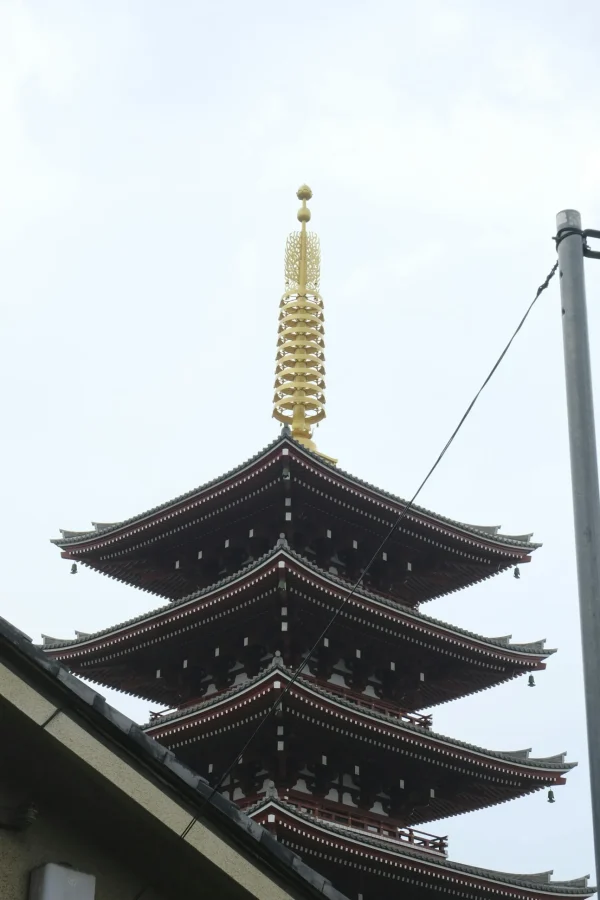
Tokyo is the best starting point for most first-time visitors. It has neighborhoods for every interest: Shibuya for nightlife and crossings, Shinjuku for food and entertainment, Asakusa for temples, Ginza for shopping, Akihabara for electronics and anime, Harajuku for fashion, and Ueno for parks and museums. Tokyo can easily fill four to five days on its own.
Kyoto
Kyoto is the cultural heart of Japan and one of the most important places for first-time visitors. It is famous for temples, shrines, gardens, bamboo groves, traditional streets and tea culture. Popular stops include Fushimi Inari Shrine, Kiyomizu-dera, Arashiyama Bamboo Grove, Gion, Nishiki Market and the Philosopher’s Path.
Osaka
Osaka is known for food, nightlife and a more relaxed city personality compared to Tokyo. Dotonbori, Osaka Castle, Shinsekai, Kuromon Market and Universal Studios Japan are popular attractions. Osaka is also a practical base for day trips to Kyoto, Nara and Kobe.
Nara
Nara is an easy day trip from Kyoto or Osaka. It is famous for temples, deer, parks and heritage sites. Nara is especially useful if you want a slower cultural day without changing hotels.
Mount Fuji and Hakone
The Mount Fuji area is popular for views, lakes, hot springs and scenic stays. Hakone is a good choice if you want hot springs, mountain views and a calmer break from big cities. Weather matters a lot for Fuji views, so keep expectations flexible.
Where to Stay in Japan
Choosing the right area can make your Japan trip much easier. Stay close to major train stations or metro lines so you do not waste time moving around the city. In Tokyo, Shinjuku, Shibuya, Ginza, Ueno and Asakusa are popular. In Kyoto, stay near Kyoto Station, Gion, Kawaramachi or Higashiyama. In Osaka, Namba and Umeda are practical choices.
How to Get Around Japan
Japan Transport Tips
Best Food to Try in Japan
Japan is one of the best food destinations in the world. First-time visitors should try a mix of local restaurants, markets, convenience-store snacks and regional specialties. Food quality is generally high across budget levels, so you do not need to eat only at expensive restaurants.

Must-Try Foods in Japan
Japan Trip Budget Guide
Japan can be mid-range or expensive depending on your travel choices, but it does not have to be luxury-only. Hotels and long-distance transport are usually the biggest costs. Food can be affordable if you eat at casual restaurants, convenience stores, ramen shops and local chains.
How to Save Money in Japan
Japan Travel Tips for First-Time Visitors
Why Japan Is Good for Solo Travelers
FAQs About Japan Travel for First-Time Visitors
Is Japan good for first-time travelers?
Yes, Japan is excellent for first-time travelers because it is organized, culturally rich, clean, safe with basic precautions and easy to explore by train.
How many days are enough for Japan?
Seven to ten days are ideal for a first Japan trip. This allows time for Tokyo, Kyoto, Osaka and one or two day trips.
What is the best route for a first Japan trip?
The best first-time route is Tokyo, Kyoto and Osaka. This gives a strong mix of modern city life, traditional culture, food and sightseeing.
Is Japan expensive?
Japan can be expensive, but costs can be controlled by booking early, using public transport, eating casual meals and choosing budget hotels or business hotels.
What food should I try in Japan?
First-time visitors should try sushi, ramen, tempura, takoyaki, okonomiyaki, udon, soba, onigiri and matcha desserts.
Where should first-time visitors stay in Tokyo?
Shinjuku, Shibuya, Ginza, Ueno and Asakusa are popular areas for first-time visitors because they offer good transport, food and sightseeing access.
Is Kyoto worth visiting?
Yes, Kyoto is one of Japan’s most important cultural cities and is worth visiting for temples, shrines, traditional streets, gardens and tea culture.
Can I visit Japan without speaking Japanese?
Yes, many tourists visit Japan without speaking Japanese. Translation apps, clear train systems and tourist-friendly areas make travel manageable, but learning basic polite phrases is helpful.
Final Thoughts
Japan is one of the most rewarding countries for first-time travelers because it offers a rare mix of modern cities, traditional culture, efficient transport, excellent food and seasonal beauty. A simple route through Tokyo, Kyoto and Osaka is the best way to experience Japan for the first time without making the trip too complicated.
Plan your days by area, leave time for slow exploration, use trains wisely and do not try to see everything in one trip. Japan is a destination that rewards both detailed planning and quiet wandering. With the right balance, your first Japan trip can be smooth, memorable and full of experiences worth returning for.